

介紹
嵐天樂集|中文介紹
● 屏東縣政府113年度傑出演藝團隊
● 屏東縣政府114年度傑出演藝團隊
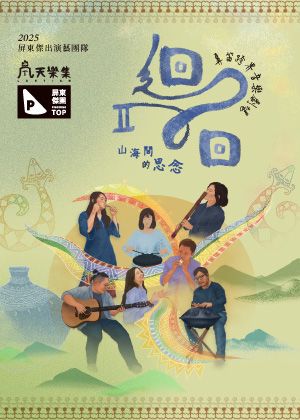
嵐天樂集成立於台灣,是一個以「聲音為核心」的跨界藝術團隊,致力於透過音樂、人聲、原住民傳統樂器與新媒體形式,探索土地、文化與記憶之間的感知連結。團隊創作橫跨鼻笛/口笛音樂劇場、人聲合唱、即興實驗、影像藝術與場域表演,並以台灣原住民族文化與海洋島嶼視角作為重要靈感來源。
嵐天樂集長期與部落耆老、藝術家、演奏者及國內外文化組織合作,作品曾受邀至台灣、中港澳、日本與馬來西亞等地展演。團隊以細膩的聲音語彙、深度的田野連結與跨領域創作能量,持續在國際舞台上推動台灣的文化多樣性與當代藝術語言。
Lantian Music Collective|English Introduction
● Outstanding Performing Arts Group, Pingtung County Government (2024)
● Outstanding Performing Arts Group, Pingtung County Government (2025)
The Lantian Music Collective, founded in Taiwan, is a cross-disciplinary arts ensemble centered on sound. The group explores the sensory connections between land, culture, and memory through music, vocal performance, Indigenous traditional instruments, and new-media forms. Its work spans nose-flute and mouth-flute music theatre, vocal ensemble performance, experimental improvisation, video art, and site-specific projects, drawing deeply from Taiwan’s Indigenous cultures and the perspectives of oceanic island life.
The Collective collaborates closely with tribal elders, artists, musicians, and cultural organizations both locally and internationally. Its works have been presented in Taiwan, Hong Kong, Macau, Japan, and Malaysia. Through refined sonic expression, field-based engagement, and cross-disciplinary creativity, the Lantian Music Collective continues to bring Taiwan’s cultural diversity and contemporary artistic language to the global stage.
過往演出
劇照
多媒體影音
你可能不知道的事...
-
排灣族雙管鼻笛(Lalingedan) 介紹
排灣族雙管鼻笛(排灣語:Lalingedan)為排灣族典型的傳統樂器之一,具有深厚文化意涵,並已登錄為國家重要文化資產。此樂器由兩根細長竹管並列製作,一管吹奏旋律、一管維持持續音。在傳統部落中,雙管鼻笛多由頭目或貴族男子使用,象徵地位與身份。鼻笛的演奏場合多出現在夜間、聚會、情感表達或紀念亡者的儀式中,其音色被視為由內心流出的細語,化作風聲與山海之間的回響。在當代,排灣族社群透過傳習、製作與創意演出,讓鼻笛從部落走入城市、從傳統延伸至新的場域,成為文化連結與當代表達的重要媒介。 The Paiwan double-pipe nose flute (Paiwan: Lalingedan) is one of the most representative traditional instruments of the Paiwan people. Rich in cultural significance, it has been officially registered as a National Intangible Cultural Heritage of Taiwan. The instrument consists of two slender bamboo pipes placed side by side—one producing the melody and the other sustaining a drone. Traditionally, the Lalingedan was played by chiefs or noblemen, indicating status and identity. The nose flute was typically performed at night, during gatherings, courtship, or memorial rituals. Its sound is regarded as an intimate whisper from within, carried like wind through mountains and seas. Today, through cultural transmission, craftsmanship, and creative performance, the Paiwan community has brought the Lalingedan from the village into the city, allowing this traditional instrument to enter new artistic contexts and continue serving as a medium for cultural connection and contemporary expression.
-
排灣族口笛(Kulalu) 介紹
排灣族口笛(排灣語:Kulalu)為台灣原住民的重要傳統樂器,多以細竹製作,音色溫柔內斂,常用於情感傳遞與社會互動,並已登錄為國家重要文化資產。口笛在傳統中常見於求愛、夜間敘情或族人聚會,其旋律承載情意、記憶與部落生活的節奏。與鼻笛相互呼應,口笛展現了排灣族對聲音的細膩美學,以及以樂音表達情感、維繫人際與文化的方式,至今仍象徵部落記憶與文化延續的重要元素。 The Paiwan mouth-flute (Paiwan: Kulalu) is an important traditional instrument of Taiwan’s Indigenous Paiwan people. Typically crafted from slender bamboo, it produces a gentle and intimate tone, often used for emotional expression and social interaction. Recognized as a National Important Cultural Asset, the Kulalu traditionally appears in courtship, evening storytelling, and communal gatherings, its melodies carrying affection, memory, and the rhythms of daily tribal life. Complementing the nose-flute, the mouth-flute reflects the Paiwan people’s refined sound aesthetics and their way of expressing emotion, nurturing relationships, and preserving cultural identity through music. Today, it remains a vital symbol of ancestral memory and cultural continuity within the community.
我們覺得或許你也會喜歡
音象表演藝術有限公司(享象Rhythmscape)
享象Rhythmscape,以「爵士樂與舞蹈」為核心的「表演藝術品牌」,透過場館展演、知識教育、藝文體驗、商演製作四大項目,推動亞洲表演藝術產業。 ⭐ 讓表演藝術,增添生活新色彩 Music ⋆ Dance ⋆ Performance ⋆ Art 展演活動|藝文講座|課程體驗|商演製作 每月演出/舞蹈預定:pse.is/6h5afx
武生商業高等學校
福井縣立武生商工高等學校吹奏樂部(簡稱「武商吹部」)為福井縣立武生商工高等學校(日文:ふくいけんりつ たけふしょうこうこうとうがっこう,英文:Fukui Prefectural Takefu Commercial and Technical High School),是位於日本福井縣越前市的公立商工高等學校,校區分為文京(工業校區)及家久町(商業校區)。該校於2020年(令和2年)由福井縣立武生工業高等學校與福井縣立武生商業高等學校合併成立。通稱「武商工」(ぶしょうこう)或「商工」(しょうこう)。 社團活動 運動部 棒球 足球 網球 桌球 羽毛球(男、女) 排球(男、女
衛武營當代樂團
衛武營國際音樂節-衛武營當代樂團
